
In an age of hyperconnectivity, where we are constantly bombarded by notifications, messages, and social expectations, the art of being... alone It has become not only a rarity, but almost an act of resistance. Many of us have developed a complicated relationship with solitude, associating being alone with being alone. alone Feelings of rejection, inadequacy, or boredom. This distorted view deprives us of one of the most nourishing and transformative experiences available for human development: constructive solitude.
Be alone It is not synonymous with loneliness. While loneliness represents a painful emotional state of disconnection, constructive solitude is a deliberate choice to spend time in one's own company with purpose and presence. This time alone, When approached consciously, it offers unparalleled opportunities for self-knowledge, creativity, emotional recovery and personal growth. In this article, we will explore how to transform moments. alone in deeply nourishing experiences that strengthen your relationship with yourself and, paradoxically, enrich your connections with others.
The Crucial Difference Between Being Alone and Feeling Lonely
The confusion between solitude and loneliness is at the root of our complicated relationship with the time we spend. alone. Loneliness is a painful emotional state characterized by a feeling of isolation and significant disconnection from others, even when physically accompanied. It is a fundamentally unpleasant experience that our brains, evolutionarily programmed for social connection, interpret as a threat. Studies show that chronic loneliness activates the same neural circuits associated with physical pain and can have devastating consequences for physical and mental health, comparable to smoking or obesity.
In contrast, constructive solitude – the state of being voluntarily alone alone With a receptive and attentive attitude – it offers profound psychological benefits. Researchers have found that regular periods of deliberate solitude are associated with greater mental clarity, enhanced creativity, and better... emotional regulation and a stronger sense of identity and purpose. The determining factor is not the physical presence or absence of others, but the quality of their relationship with their own company and their ability to find meaning and nourishment when in it. alone.
Our cultural aversion to solitude has complex historical and evolutionary roots. As a social species, we have developed biological mechanisms that reward us for connection and warn us against isolation, which posed a threat to survival. However, many contemplative traditions recognize solitude as an essential component of human development. From spiritual retreats to rites of passage, cultures globally have created practices to honor the transformative power of being. alone. The contemporary challenge is to rediscover this wise balance between social connection and nourishing solitude, especially in a world that rarely allows us – or encourages us – to be truly present. alone with our thoughts.
The Transformative Benefits of Intentional Solitude
O authentic self-knowledge It flourishes in the spaces of solitude that we deliberately create. When we are constantly immersed in social interactions or digital distractions, we often operate from an adapted “social self” – a version of ourselves shaped, often unconsciously, to meet external expectations. Moments alone, These thoughts, especially when approached with attentive curiosity, allow for more direct contact with our true thoughts, values, preferences, and emotions. This inner clarity is fundamental not only for decisions aligned with our deepest values, but also for... more authentic relationships, where we can present ourselves genuinely instead of performing adapted versions of ourselves.
A expanded creativity It's another well-documented benefit of time. alone Structured. Neuroscience research demonstrates that the brain's "default mode"—activated when we are not focused on specific external tasks—facilitates non-linear connections between seemingly unrelated ideas. related, Essential for creative thinking. Many of the most significant advances in science, art, and philosophy have emerged during periods of contemplative solitude. From Einstein's theory of relativity to Mozart's compositions, history is replete with innovations born in the quiet spaces of the undistracted mind. Solitude offers the ideal context for these creative connections to flourish naturally.
A enhanced emotional regulation This represents perhaps the most crucial benefit of quality time. alone. The constant bombardment of social and informational stimuli often keeps us in a perpetual state of reactivity, rarely allowing for the complete processing of emotional experiences. Solitude creates the necessary space to digest complex emotions, integrate challenging experiences, and recalibrate our internal balance. Studies show that people who Those who practice regular solitude demonstrate greater emotional resilience. – the ability to recover from setbacks and adapt to changing circumstances. This benefit directly contradicts the myth that we constantly need others to regulate our emotional states.
Modern Obstacles to Constructive Solitude
O Connectivity addiction This perhaps represents the greatest contemporary obstacle to the experience of truly being. alone. Our digital devices – designed with variable reward mechanisms similar to those found in slot machines – have created patterns of psychological dependence on constant external stimulation and validation.. The anxiety that many experience when separated The obsession with their smartphones (nomophobia) reflects a deep dysfunctional relationship with digital connectivity. The first step towards reclaiming the ability to be meaningfully present is... alone It often involves honestly acknowledging these patterns of dependency and implementing intentional digital boundaries to create genuine spaces for solitude.
O social stigma The preoccupation with solitary activities remains surprisingly strong, despite growing awareness of the importance of self-care. In many cultures, being seen doing activities... alone Dining out at restaurants, attending cultural events, or traveling still carries connotations of social rejection or inadequacy. This subtle pressure often leads us to sacrifice valuable time. alone through social interactions that may not be genuinely nurturing. Uprooting these internalized beliefs requires critical awareness of cultural messages that incorrectly frame solitude as social failure, rather than a conscious and healthy choice.
O fear of confrontation This represents a deeper and often unrecognized obstacle to meaningful solitude. For many, the prospect of truly being alone is... alone – without the usual distractions of digital noise, social interactions, or passive entertainment – provokes significant anxiety. This aversion often masks the fear of confronting uncomfortable thoughts, emotions, or existential questions that naturally emerge in quiet spaces. The tendency to fill every moment with stimuli can function as a sophisticated avoidance mechanism, temporarily protecting us from the challenging, but ultimately liberating, work of facing our inner world with honesty and courage.
Essential Practices for Cultivating Nourishing Solitude

A structured introspection transforms time alone Casual self-reflection is an intentional practice of self-awareness. Unlike unproductive rumination, this process involves questioning oneself with compassionate curiosity. Try setting aside 20 minutes daily with a dedicated notebook, using specific reflective questions such as: “What patterns do I observe in situations that energize me versus those that drain me?”, “What values were expressed or compromised in my decisions today?”, or “What emotion am I avoiding examining more deeply?” This practice of gentle self-interrogation, especially when recorded in writing, creates a internal dialogue A structured process that gradually deepens your relationship with yourself and generates insights impossible to access in the constant rush of social and digital life.
A sensory detoxification It allows you to rediscover the value of truly being. alone with your own thoughts. Our constant exposure to stimuli – notifications, background music, podcasts during walks, streaming content – rarely allows us to experience the unmediated silence that has historically characterized much of the human experience. Start by incorporating short periods of deliberate sensory deprivation – a bath without music, a walk without headphones, a meal without a screen or book, or even a whole day without internet when you feel ready. Observe the feelings of restlessness, boredom, or anxiety that initially arise, often followed by a mental clarity and presence rarely experienced in our hyper-connected world.
The practice of non-reactive observation develops crucial skills for being comfortable alone with challenging inner experiences. During dedicated moments of solitude, try simply noticing the thoughts, emotions, and physical sensations that arise, without immediately reacting, judging, or trying to change them. This approach, derived from contemplative traditions like mindfulness, gradually creates a more spacious relationship with your inner experience. With consistent practice, you develop the ability to remain present even with difficult emotions when alone, Instead of automatically seeking escape through social or digital distractions, this skill not only enriches your experience of solitude but also strengthens your emotional stability in all contexts.
Daily Rituals of Solitude for Inner Reconnection
O morning centering ritual Establish an intentional relationship with yourself before engaging with external demands and expectations. Even fifteen minutes. alone Taking time before checking devices or interacting with others can profoundly transform your relationship with the day. This sacred time can include practices such as silent meditation, journaling, mindful stretching, or simply savoring a warm beverage with mindfulness. Consistency is more important than duration – this daily moment alone It gradually becomes an anchor that strengthens your inner connection, even during the busiest days. Many people find that this simple ritual significantly reduces emotional reactivity and increases a sense of agency over their experience.
You micromoments of solitude These represent powerful opportunities for inner reconnection, even on the busiest days. Identify five daily moments that you typically fill with distraction – waiting in lines, in the first few minutes after waking up, during commutes on public transport, between meetings, or before bed – and consciously transform them into brief intervals of presence. alone. Instead of automatically reaching for your phone, simply breathe deeply, observe your surroundings with curiosity, or scan your bodily sensations attentively. These seemingly insignificant micro-practices, when accumulated, gradually challenge the conditioning that keeps us perpetually distracted and reconnect you with the nourishing experience of unmediated presence.
O weekly encounter with oneself Establish a more substantial commitment to constructive solitude. Set aside two or three hours a week exclusively for being. alone Engage in activities that nurture your relationship with yourself. Unlike mere unstructured free time (which often slips into passive habits of content consumption), this encounter is intentionally planned. Try activities such as contemplative walks in nature, creative projects that are not shared Immediately online, solitary visits to museums or cafes with only a notebook for company, or explorations of new neighborhoods in your city without a fixed itinerary. The key is to approach this time alone as an important commitment that deserves protection on your agenda, not as a secondary option when social plans fail.
Creative Solitude: Personal Expression Without an Audience
A creation without sharing This represents a revolutionary practice in a culture obsessed with external validation and engagement metrics. Try dedicating yourself to creative projects that exist solely for your own exploration and enjoyment when... alone, ...without the immediate (or perhaps ever) intention of public sharing. This could be a photographic series that only you will see, a visual journal with no intention of posting, musical compositions played only for yourself, or writing that remains private. This practice profoundly challenges our contemporary conditioning that often links creative value to social validation, reorienting the creative process toward authentic personal exploration rather than performance for others.
A solitary improvisation This liberates spontaneous expression, often inhibited by the awareness of observers. When we are alone, Without fear of judgment or the need for explanation, more experimental and perhaps even "ridiculous" aspects of our creativity can emerge. Allow yourself to dance in ways you would never consider in public, sing in your full register, draw without worrying about the result, write in styles radically different from your usual voice. This expressive freedom alone It often clears creative blocks and reveals surprising insights into unexplored aspects of one's personality and creative potential. Paradoxically, this private authenticity often eventually enriches one's public expression as well.
O internal creative dialogue cultivates a dynamic relationship with your own ideas when alone. Try techniques like automatic writing, where you write continuously for a fixed period (typically 15-30 minutes) without censorship, planning, or editing. Another powerful approach is the "paper conversation" technique, where you write a question to yourself, answer it as if it were another part of your mind, question that answer, and continue this exploratory dialogue. These practices access subconscious wisdom often inaccessible during conventional linear thinking. The safe environment of solitude allows for the emergence of surprising insights, unexpected connections, and creative solutions that externally directed thinking rarely produces.
Transforming Relationships Through Solitude
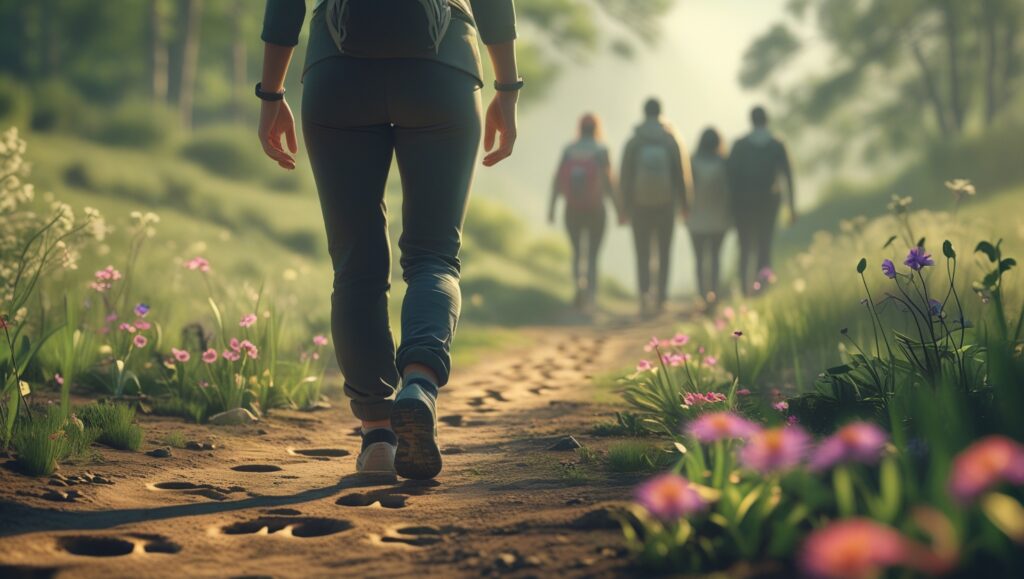
A authentic presence In relationships, it often paradoxically emerges from the ability to be comfortable. alone. When we rely excessively on social interactions to fill internal voids or regulate our emotional states, we inevitably bring neediness and expectation to our encounters. In contrast, quality time alone It helps us develop emotional self-regulation, clarity about our needs, and a nurturing relationship with ourselves. From this foundation, we can be with others from a place of inner abundance rather than lack, offering genuine presence instead of seeking fulfillment. This subtle shift profoundly transforms the quality of our connections, allowing for relationships based on conscious choice and mutual appreciation rather than need. emotional dependency.
To establish healthy relational boundaries It becomes natural when we develop a comfortable relationship with solitude. For many, the debilitating fear of being alone is a concern. alone This leads to compromising values, tolerating inappropriate treatment, or remaining in non-nutritive connections simply to avoid confronting one's own inner emptiness. As we cultivate the capacity for constructive solitude, this fear gradually loses its power over us. relational choices. We became able to establish clear boundaries, communicate needs honestly, and even allow for the natural termination of relationships. relationships that do not serve mutual growth. This inner freedom creates space for connections that are genuinely aligned with our deepest values.
A paradoxical intimacy It represents perhaps the most counterintuitive fruit of intentionally cultivated solitude. Contrary to the common belief that more time alone While it makes us more distant from others, research and contemplative wisdom suggest the opposite: those who regularly practice solitude often demonstrate a capacity for deeper connection and vulnerability authentic. This apparent contradiction resolves itself when we understand that true intimacy requires self-knowledge, emotional regulation, and comfort with our own inner experience – qualities cultivated precisely through constructive solitude. When we are not running away from ourselves, we can be truly present with others, creating the context for intimacy characterized by total presence rather than mutual need.
Frequently Asked Questions about Constructive Solitude
How to differentiate between healthy solitude and problematic isolation?
The critical distinction lies in intentionality and in emotional impact. Constructive solitude is consciously chosen, usually with a specific purpose (reflection, recovery, creativity), and typically results in a feeling of renewal and clarity even when challenging. In contrast, problematic isolation often occurs out of fear, shame, or avoidance, and tends to intensify feelings of disconnection and emotional distress over time. Another important indicator is flexibility – people practicing Healthy solitude maintains the capacity for social connection. when they wish, whereas problematic isolation often involves a gradual loss of that ability. If your time alone If your overall well-being and capacity for meaningful relationships consistently decrease rather than increase, consider consulting a professional. mental health.
How to explain your need for solitude to friends and family Could they interpret it as rejection?
Clear and non-defensive communication is essential. Explain that you want time. alone This doesn't reflect disinterest in the relationship, but a personal need to recharge and reconnect with oneself. Share specific benefits you experience – perhaps solitude improves your presence when you are with them later, or allows for necessary processing of experiences so you can share more authentically. Consider framing solitude as a self-care practice similar to physical exercise – a universal need that varies in quantity and expression among individuals. For particularly important relationships, establish clear expectations (“I need two hours”). alone "On Sundays, but I'm fully available afterwards") instead of simply disappearing, which can trigger relationship insecurities.
How can you begin practicing solitude if you've rarely been comfortably alone before?
Start with gradual exposure. If the idea of spending hours alone It may seem intimidating, so start with short periods – perhaps 15-30 minutes daily – and gradually increase as your tolerance develops. Structure your first sessions. experiences with low-pressure activities that naturally promote presence – outdoor walks, simple drawing, or just enjoying a favorite drink without distractions. Anticipate that initial discomfort is normal; many experience restlessness, anxiety, or boredom in the early stages of practicing solitude. These are often “withdrawal” symptoms from constant stimulation and tend to diminish with regular exposure. Keep a simple record of your experiences. alone to observe subtle changes over time.
It's possible Practice meaningful solitude with young children or other responsibilities. How careful?
Yes, although it certainly requires creativity and intentional planning. For parents and caregivers, micromoments of solitude become especially valuable – the five minutes before everyone wakes up, brief pauses during naps, or even moments... alone While children are absorbed in independent activity, clearly establish with family members that short periods of time... alone These are not luxuries, but necessities for their well-being and, by extension, their ability to care effectively. Consider reciprocal arrangements with other parents for occasional longer periods of solitude. Remember also that quality often trumps quantity – even brief experiences of fully present solitude are more nourishing than longer periods with divided attention.
How can technology be used to support rather than hinder meaningful solitude?
Although often an obstacle, technology can be an ally for solitude when used intentionally. Guided meditation apps, timers for structured solitude practice, or password-protected digital journals can support specific practices. Carefully selected instrumental music can facilitate contemplative states for those initially uncomfortable with complete silence. Automatic "do not disturb" settings or apps that temporarily block distracting platforms can create necessary digital boundaries. The key is to shift the relationship with technology from passive consumption and constant connectivity to a tool that actively supports your intentional time. alone. Ask yourself critically whether each technological use is facilitating inner presence or providing an escape from it.
Developing a nurturing relationship with solitude may be one of the practices. The most revolutionary and counter-current approaches available in our age of hyperconnectivity. By learning to be truly present when... alone, By cultivating a relationship with yourself, you develop a foundation for all other aspects of your life. The capacity for meaningful solitude does not diminish your social nature or need for connection; on the contrary, it profoundly enriches your interactions, allowing for authentic presence and genuine intimacy impossible when driven by fear of being alone. alone.
How do you relate to time? alone Currently, which constructive solitude practice mentioned in this article resonates most with you? Is there a specific fear that has prevented you from more fully embracing the benefits of quality time with yourself? Share your thoughts in the comments below – your experiences may inspire other readers on their own journeys of rediscovering the transformative power of constructive solitude.

Sintony is a collective of relationship experts dedicated to connecting people through authentic compatibility and shared values. Combining knowledge in psychology, communication, and modern relationship dynamics, our team offers content based on scientific research and real-life experiences to help you find and cultivate meaningful connections. We believe that true love is born from authenticity and mutual understanding, and we are committed to being your trusted guide on the journey to healthy and lasting relationships, whether finding new love, strengthening an existing one, or practicing self-love. Learn more here


 Portuguese
  English
  Spanish
  Italian
  German
  Turkish
  Slovak
  Polish
  French
  Russian
  Arabic
  Hindi
Hindi  Ukrainian